

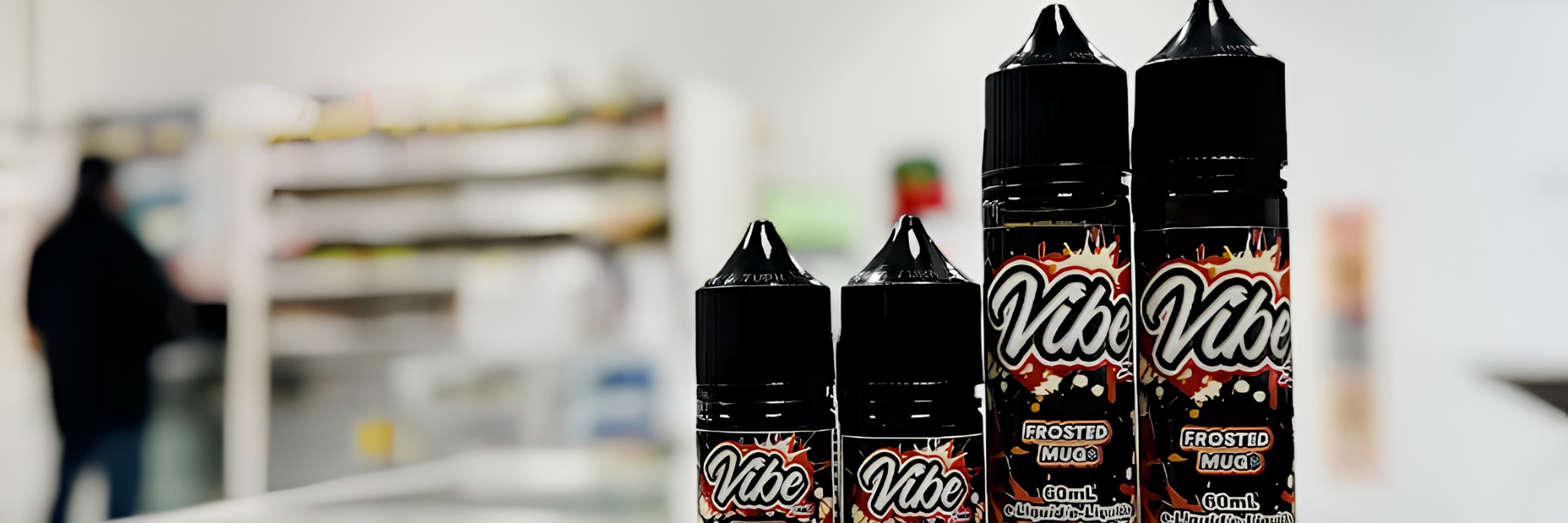
What is E-Juice? Everything You Need to Know!

Photo: @ Digital Imports 32nd
E-juice is the fluid used in your vape that creates the vapour. Your vape will typically pull in the e-juice through the wicks and heat it up with a coil until it vaporizes into thick flavourful clouds. But what ingredients are used in vape juice? What are the different kinds of e-liquids are there? What kind of flavours can I find? In this article, we will explore everything you need to know about how your e-juice will work with your vape.
What Ingredients are Used in E-Liquids?
Almost every vape juice is made up of the same basic ingredients, this includes:
-
Vegetable Glycerin (VG): A thick, sweet liquid derived from plant oils. VG is responsible for creating the visible vapor clouds. The higher the VG content, the thicker the clouds and the smoother the throat hit.
-
Propylene Glycol (PG): A much thinner, odorless liquid. PG is an excellent flavor carrier and provides the "throat hit" that mimics the sensation of smoking tobacco.
-
Flavorings: Food-grade concentrates used to create everything from simple tobacco and menthol flavors to complex fruit, dessert, and beverage profiles.
-
Nicotine (Optional): Liquid nicotine extracted from tobacco or created synthetically. E-juices come in various strengths, including completely nicotine-free.
-
Menthol (Optional): Menthol is either extracted naturally from mint plants (like peppermint) or synthesized in a lab. It triggers the sensory receptors in your mouth and airways that detect cold, tricking your brain into feeling a refreshing chill even though the vapor itself isn't actually freezing.
Important Safety Notes:
Aside from the harmful effects of nicotine, there are certain ingredients in flavouring that have been linked to causing harm. Look out for flavourings that use Diacetyl, Acetyl Propionyl, and Cinnamaldehyde.
Diacetyl and Acetyl Propionyl are used to create buttery and creamy flavours. This is the ingredient that is linked to the dreaded “popcorn lung” (bronchiolitis obliterans) we see on the news. Luckily, most manufacturers in Canada avoid using diacetyl in their flavours. Cinnamaldehyde is used in more cinnamon-like flavours, this can be irritating on the lungs and may trigger inflammation.
You can learn more about the risks of vaping on the Government of Canada website.
Salt-Nic vs. Freebase
The two most common types of e-liquids are salt nicotine and freebase nicotine:
Nicotine salts (often called nic salts) are a type of nicotine used in e-liquids that allow you to vape higher concentrations of nicotine without the harsh, painful throat hit that usually comes with it.
They are the standard choice for small, low-powered pod systems (like disposable vapes and refillable pod devices) because they deliver nicotine to the bloodstream incredibly fast, closely mimicking the experience of smoking a traditional cigarette. These juices will usually come in increments of 5mg up to a max of 20mg.
Nic salts completely changed the vaping industry when they gained popularity, primarily because they solved a major problem for smokers trying to switch, such as:
-
Quicker Nicotine Satisfaction: Nic-salts deliver nicotine satisfaction quicker due to the way that the nicotine has been processed and the availability of higher concentrations.
-
User-Friendly Devices: Because the nicotine delivery is so efficient, you don't need a massive, high-powered vape mod to get a satisfying hit. You use small, discreet, low-wattage devices that fit easily in a pocket.
-
Less Juice Consumption: Because you get a stronger dose of nicotine per puff, you naturally vape less liquid throughout the day. A 30mL bottle of nic salt generally lasts much longer than a 60mL or 100mL bottle of freebase juice.
Freebase nicotine is chemically pure, but it has a high, alkaline pH level. It is called "freebase" because the nicotine molecule is manipulated into its most basic, unbonded state. This makes it highly volatile and easily vaporized, meaning it travels efficiently into your system when heated.
Because of that high pH, the throat hit becomes increasingly harsh as you increase the concentration. If you tried to vape freebase nicotine at a high strength, it would be physically painful to inhale. As a result, freebase e-liquids are intentionally sold in much lower strengths, such as 3mg 6mg and 12mg.
While nicotine salts have taken over the small pod and disposable market, freebase nicotine remains the undisputed king for hobbyists and users who prefer larger vape setups. The reasons vapers prefer freebase can include:
-
Perfect for Sub-Ohm Mods: Freebase is designed to be vaped at high wattages using low-resistance coils (known as sub-ohm vaping). Because these large devices produce massive amounts of vapor per puff, you only need a low concentration (like 3mg) to get a satisfying amount of nicotine.
-
Massive Cloud Production: Freebase e-liquids are typically mixed with a high percentage of Vegetable Glycerin (usually a 70/30 or 80/20 VG/PG ratio). This thick liquid is ideal for creating dense, massive vapor clouds.
-
Purer Flavor Profiles: Because freebase doesn't contain any added organic acids (like benzoic acid used in nic salts), many vapers find that complex flavors—especially desserts, creams, and complex bakeries—taste cleaner and more accurate.
-
Gradual Release: Freebase absorbs into your bloodstream a bit slower than nicotine salts, building up a gradual, longer-lasting satisfaction rather than a sharp, sudden rush.
Types of Flavours on the Market
There are thousands of different vape juice flavours on the market, to help narrow down your selection, the flavours can be categorized into the following categories:
-
Fruits & Berries: Single fruit profiles (like mango, apple, or strawberry) and complex blends are typically easier to like for first time vapers.
-
Menthols and Cooladas: Fruit flavors mixed with a synthetic cooling agent) that provides a freezing throat sensation without giving it a minty or herbal taste.
-
Desserts & Bakeries: Richer, heavier profiles mimicking custards, cakes, donuts, creams, and vanilla.
-
Sweets & Candy: Formulations copying sour candies, gummy bears, cotton candy, and bubblegum.
-
Beverages: Flavors designed to taste like sodas, energy drinks, lemonade, coffee, or milkshakes.
-
Tobacco & Mints: Standard earthy tobaccos, sweet tobaccos (like RY4, which blends tobacco with caramel and vanilla), crisp mints, and sharp menthols.
Please note that depending on where you live in Canada, your selection of flavours may be limited to menthol and tobacco flavours.
Different Tanks for Different Types of Juice
Because different e-juices have completely different physical properties and chemical strengths, putting the wrong juice in the wrong tank will almost always result in a terrible experience; either a burnt coil, a leaking tank, or an excessive intake of nicotine.
The three factors to consider when figuring out if your juice works with your tank include:
Thickness, VG/PG Ratio:
High-VG e-juice is heavy and slow-moving.
-
The Tank Setup: These liquids require large Sub-Ohm tanks or rebuildable tanks (RTAs/RDAs).
-
The Design: These tanks have massive e-liquid ports (the holes in the metal casing where the cotton peeks through) and use large, fluffy channels of organic cotton.
-
Why it matters: It takes a lot of physical space for thick VG syrup to saturate the cotton. If you put a thick 70/30 juice into a tiny pod or a small, restricted tank, the liquid can't seep into the wick fast enough. The cotton stays dry, and when you fire the device, you burn the cotton instantly (a "dry hit").
Nicotine salts and low-strength starter juices are usually a 50/50 split, making the liquid highly fluid and runny.
-
The Tank Setup: These liquids require small Mouth-to-Lung (MTL) tanks or low-power pod systems due to their lower burn rate.
-
The Design: These coils have tiny, pin-prick liquid ports and very tightly packed cotton wicks.
-
Why it matters: Because 50/50 liquid is so thin, it floods open spaces easily. If you put a thin 50/50 juice into a massive sub-ohm tank built for thick clouds, the liquid will completely overwhelm the cotton, flood the internal airflow chamber, and pour out of the bottom air vents all over your hands.
How much Sweetener is Used
If you ask anyone who works in a vape shop or builds their own coils what the number one killer of hardware is, they will all give you the same answer: sucralose.
While artificial sweeteners make fruit, candy, and dessert e-juices taste incredible, they are notoriously brutal on vape coils. In the vaping community, the sticky, destructive byproduct they leave behind is known as "coil gunk." This is why gunking happens: Within just a few hours or days of vaping sweet juice, a dark, shiny, crusty layer of carbonized sugar builds up over the heating element. As the sugar crust grows thicker, it begins to burn slightly every time the coil heats up. Your crisp fruit or rich dessert flavor will suddenly start to taste muted, stale, or vaguely like burnt sugar. The burnt sugar crust acts like an insulating blanket. It physically blocks the fresh e-juice in your tank from reaching the hot metal coil. Because the liquid can't get through the crust, the cotton underneath dries out. When you take a puff, you may get a "dry hit" because you are burning dry cotton and old sugar.
Key Takeaways/Final Thoughts
Short on time? Here are the key things you need to know about e-liquids:
-
The Core Formula: Almost all e-juices rely on four main components: Vegetable Glycerin (VG for vapor density), Propylene Glycol (PG for flavor and throat sensation), Flavorings, and optional Nicotine or Menthol.
-
Safety Watchouts: While basic ingredients are food-safe for ingestion, certain flavor compounds like Diacetyl and Acetyl Propionyl (linked to "popcorn lung") and Cinnamaldehyde can cause respiratory irritation and inflammation when inhaled.
-
Nicotine Salts vs. Freebase:
-
Nic Salts use organic acid to lower pH, allowing for smooth, fast absorption of high-strength nicotine in low-powered pocket pod systems.
-
Freebase Nicotine is chemically pure with a higher pH, creating a harsher throat hit at higher doses. It is sold in lower strengths and is ideal for high-wattage, big-cloud "sub-ohm" mods.
-
Flavor Categories & Regulations: E-liquids span six major flavor groups (Fruits, Menthols/Coolers, Desserts, Sweets, Beverages, and Tobacco/Mints). However, retail availability is legally restricted by province in Canada, with several regions banning everything except tobacco and unflavored options.
-
Hardware Matching is Vital:
-
Thick, high-VG liquids need large sub-ohm tanks with wide ports to prevent dry hits.
-
Thin, 50/50 balance liquids require low-power, tight-wicking pod systems to avoid flooding and leaking.
-
The "Coil Killer": Artificial sweeteners like sucralose do not vaporize cleanly. Instead, they caramelize on hot metal, creating a dark carbon crust ("coil gunk") that insulates the heating element, mutes flavor, blocks liquid flow, and triggers burnt dry hits.
Ready to start discovering some of the best vape juice flavours? Check out the selection at Digital Imports to find your juice today!